
When the call of the wild beckons, and the desire for untamed landscapes and breathtaking biodiversity takes hold, national parks stand as the ultimate sanctuaries. These protected areas are more than just scenic vistas; they are vital ecosystems, living laboratories, and crucial havens for wildlife. From the towering peaks of the Himalayas to the ancient rainforests of the Amazon, and the stark beauty of the African savanna, the planet is adorned with a spectacular array of natural wonders. Choosing where to experience this grandeur can be an overwhelming task, given the sheer abundance of incredible destinations. This guide highlights ten countries that consistently offer unparalleled national park experiences, each boasting unique geological formations, diverse flora and fauna, and a commitment to conservation that ensures these treasures endure for generations. Whether you seek the thrill of spotting elusive big cats, the serenity of ancient forests, or the awe-inspiring power of volcanic landscapes, these nations provide the perfect backdrop for an unforgettable adventure into the heart of nature. Prepare to be inspired as we explore the very best the world has to offer in protected natural beauty, a journey that promises discovery, wonder, and a profound connection with the planet.
1. United States
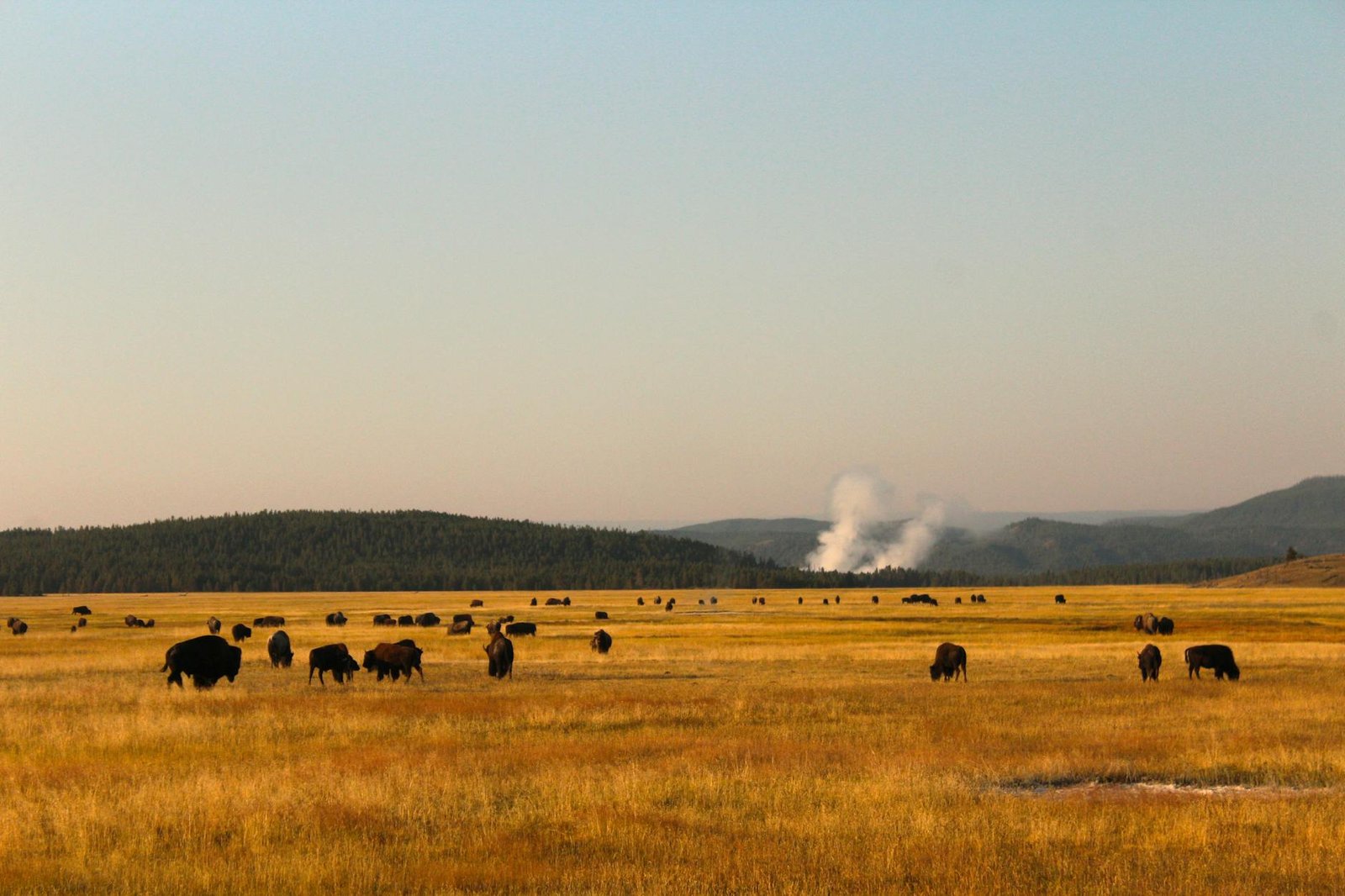
The United States boasts an exceptionally diverse and extensive network of national parks, a testament to its commitment to preserving a vast array of natural and cultural landscapes. Spanning from the arid deserts of the Southwest to the lush rainforests of the Pacific Northwest, and the icy wilderness of Alaska, its parks offer unparalleled opportunities for exploration. Iconic destinations like Yellowstone, the world’s first national park, showcase geothermal wonders and abundant wildlife, while Yosemite captivates with its granite cliffs and giant sequoias. The Grand Canyon provides a humbling perspective on geological time, and Zion’s towering sandstone formations offer a unique hiking experience. Beyond these famous locales, the parks protect delicate coral reefs in the Dry Tortugas, the volcanic power of Hawaii Volcanoes, and the pristine wilderness of Denali. The National Park Service meticulously manages these lands, ensuring they remain accessible for recreation while safeguarding their ecological integrity and historical significance, making the US a premier destination for any nature enthusiast.
- Iconic Yellowstone and Yosemite offer diverse ecosystems.
- Grand Canyon provides unparalleled geological spectacle.
- Alaska’s Denali protects vast, wild tundra landscapes.
- Hawaii Volcanoes showcases active volcanic geology.
- Zion’s unique slot canyons offer thrilling hikes.
- Extensive network protects varied natural wonders.
2. Canada
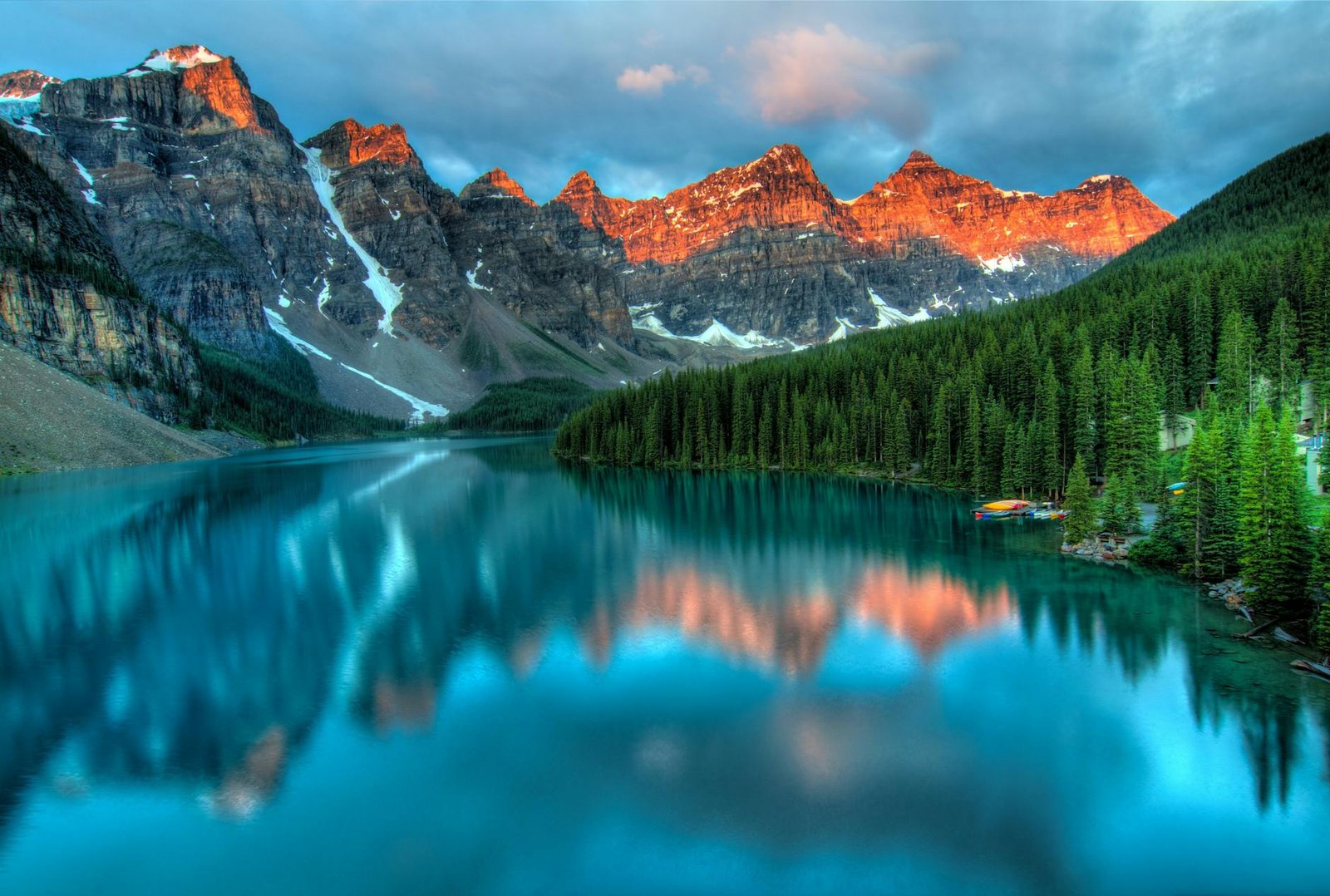
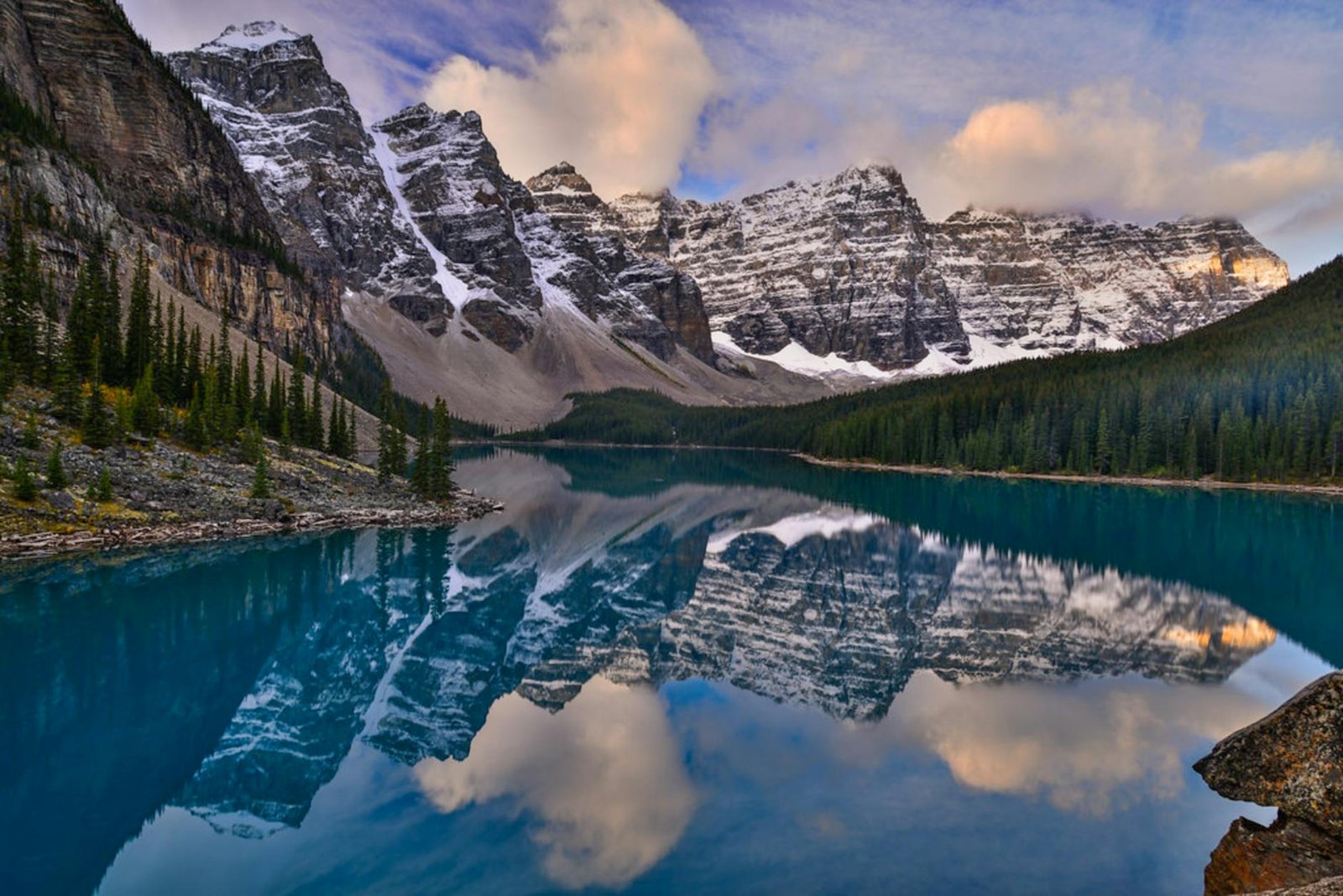
Canada’s vast wilderness is home to some of the most spectacular mountain scenery and pristine alpine environments on Earth, predominantly protected within its national parks. The Canadian Rockies, encompassing Banff, Jasper, Yoho, and Kootenay National Parks, are a UNESCO World Heritage site renowned for their turquoise lakes, dramatic peaks, and abundant wildlife, including grizzly bears and elk. Beyond the Rockies, Canada offers diverse park experiences: Pacific Rim National Park Reserve on Vancouver Island protects ancient rainforests and rugged coastlines, while Gros Morne National Park in Newfoundland showcases unique geological formations like the Tablelands, where the Earth’s mantle is exposed. Further east, Kejimkujik National Park preserves Acadian forest and coastal heritage. Parks Canada diligently manages these protected areas, offering extensive trail networks, backcountry camping, and educational programs that foster a deep appreciation for the country’s natural heritage and encourage responsible exploration of its wild spaces.
- Canadian Rockies offer iconic turquoise lakes and peaks.
- Banff and Jasper are world-renowned alpine destinations.
- Pacific Rim protects ancient rainforests and coastlines.
- Gros Morne features unique exposed Earth’s mantle.
- Abundant wildlife viewing opportunities persist.
- Vast, undeveloped wilderness preserves natural beauty.
3. New Zealand
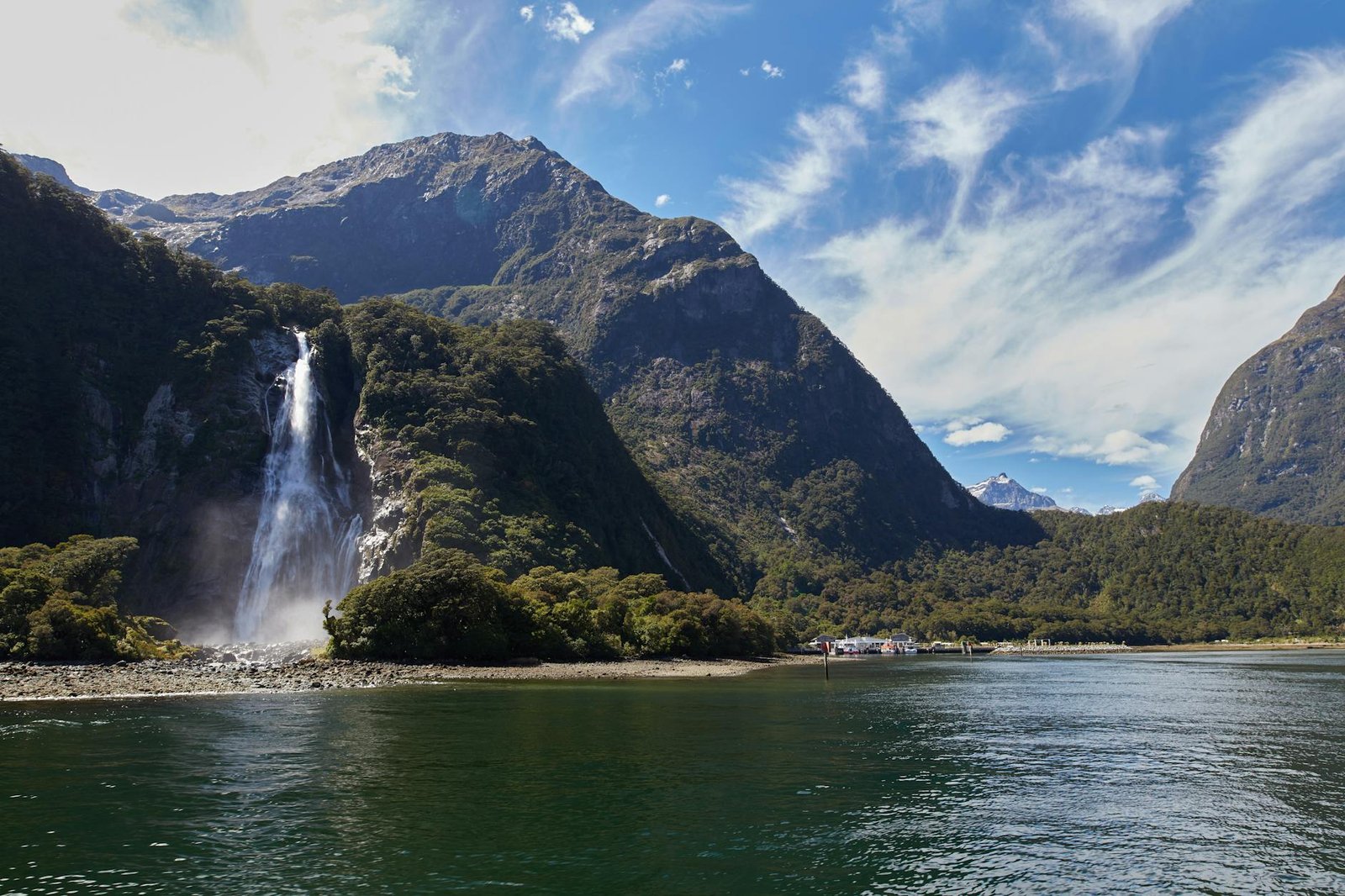
New Zealand’s dramatic landscapes, sculpted by volcanic activity and glaciers, are exceptionally well-preserved within its network of national parks. From the subtropical fjords of Fiordland National Park, with its towering waterfalls and abundant marine life, to the geothermal wonders of Tongariro National Park, home to active volcanoes and emerald lakes, the diversity is astonishing. Abel Tasman National Park offers golden beaches and turquoise waters perfect for kayaking and hiking along coastal tracks. Aoraki/Mount Cook National Park showcases the country’s highest peak and stunning alpine scenery, while Westland Tai Poutini National Park protects ancient glaciers like Franz Josef and Fox. The Department of Conservation manages these parks with a strong emphasis on biodiversity, offering well-maintained trails, backcountry huts, and opportunities to spot unique native birds like the Kea and Tui. New Zealand’s parks provide an immersive experience in a land of raw, natural beauty and unique ecological treasures.
- Fiordland’s dramatic fjords and waterfalls are breathtaking.
- Tongariro offers unique volcanic landscapes and hot springs.
- Abel Tasman boasts pristine beaches and coastal trails.
- Aoraki/Mount Cook features New Zealand’s highest peak.
- Glaciers like Franz Josef are accessible for viewing.
- Rich in unique native flora and fauna.
4. Australia
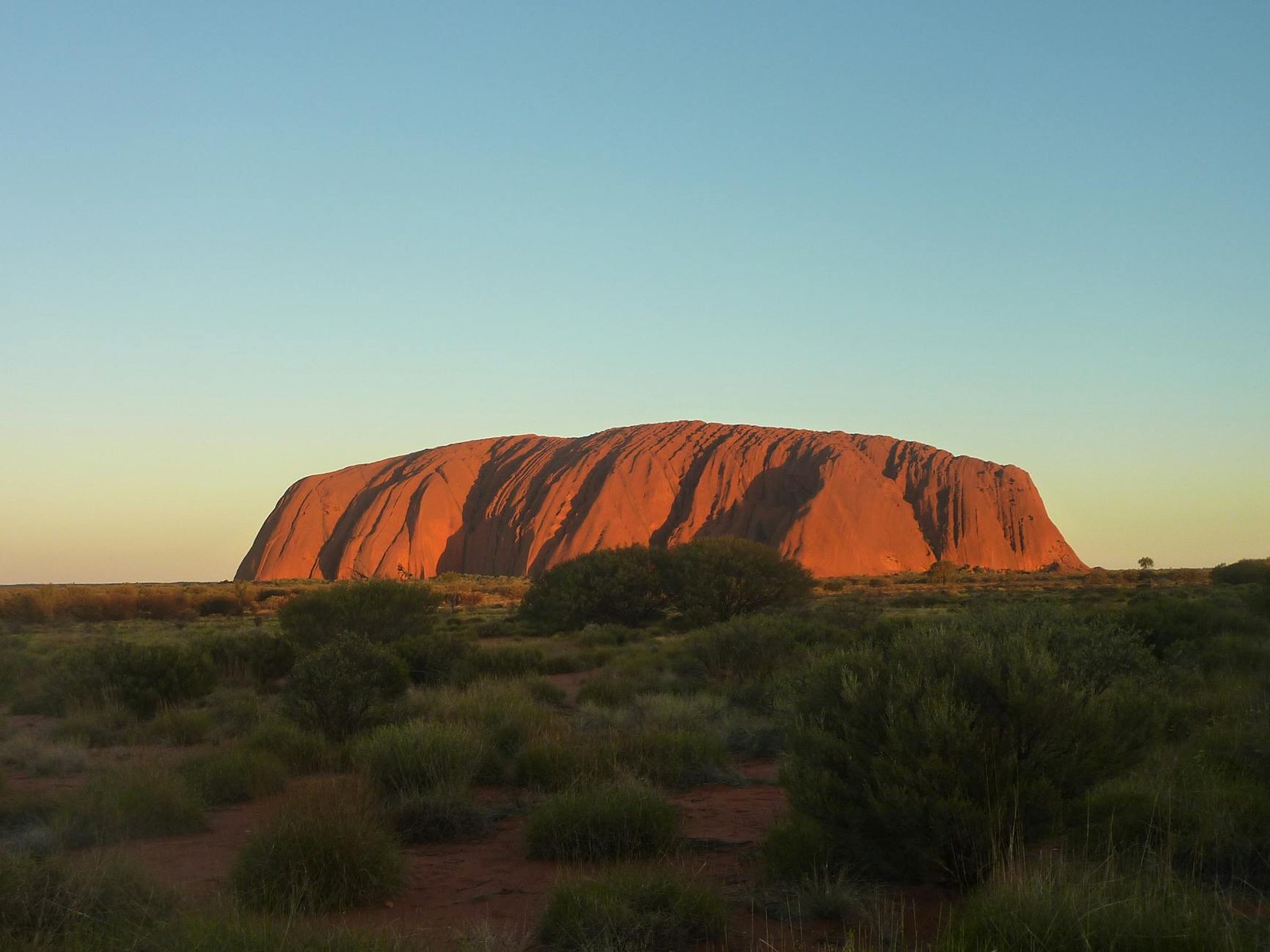
Australia’s vast continent encompasses an incredible range of unique ecosystems, many of which are protected within its extensive national park system. From the ancient rainforests of Daintree, the oldest continuously living rainforest on Earth, to the rugged Outback landscapes of Uluru-Kata Tjuta National Park, home to iconic sandstone monoliths, the diversity is remarkable. The Great Barrier Reef Marine Park, though unique in its marine focus, offers unparalleled underwater exploration. Kakadu National Park in the Northern Territory is a World Heritage site recognized for its biodiversity, wetlands, and significant Aboriginal rock art sites. Freycinet National Park in Tasmania showcases dramatic granite peaks, secluded bays, and coastal heathlands. Parks Australia and state/territory agencies work to conserve these precious environments, offering opportunities to encounter unique wildlife like kangaroos, koalas, and platypuses in their natural habitats, making it a truly distinct destination.
- Daintree protects the world’s oldest tropical rainforest.
- Uluru-Kata Tjuta offers iconic desert landscapes.
- Great Barrier Reef Marine Park is a world-class dive site.
- Kakadu features rich biodiversity and Aboriginal art.
- Tasmania’s Freycinet has stunning coastal scenery.
- Unique Australian wildlife is abundant.
5. Chile
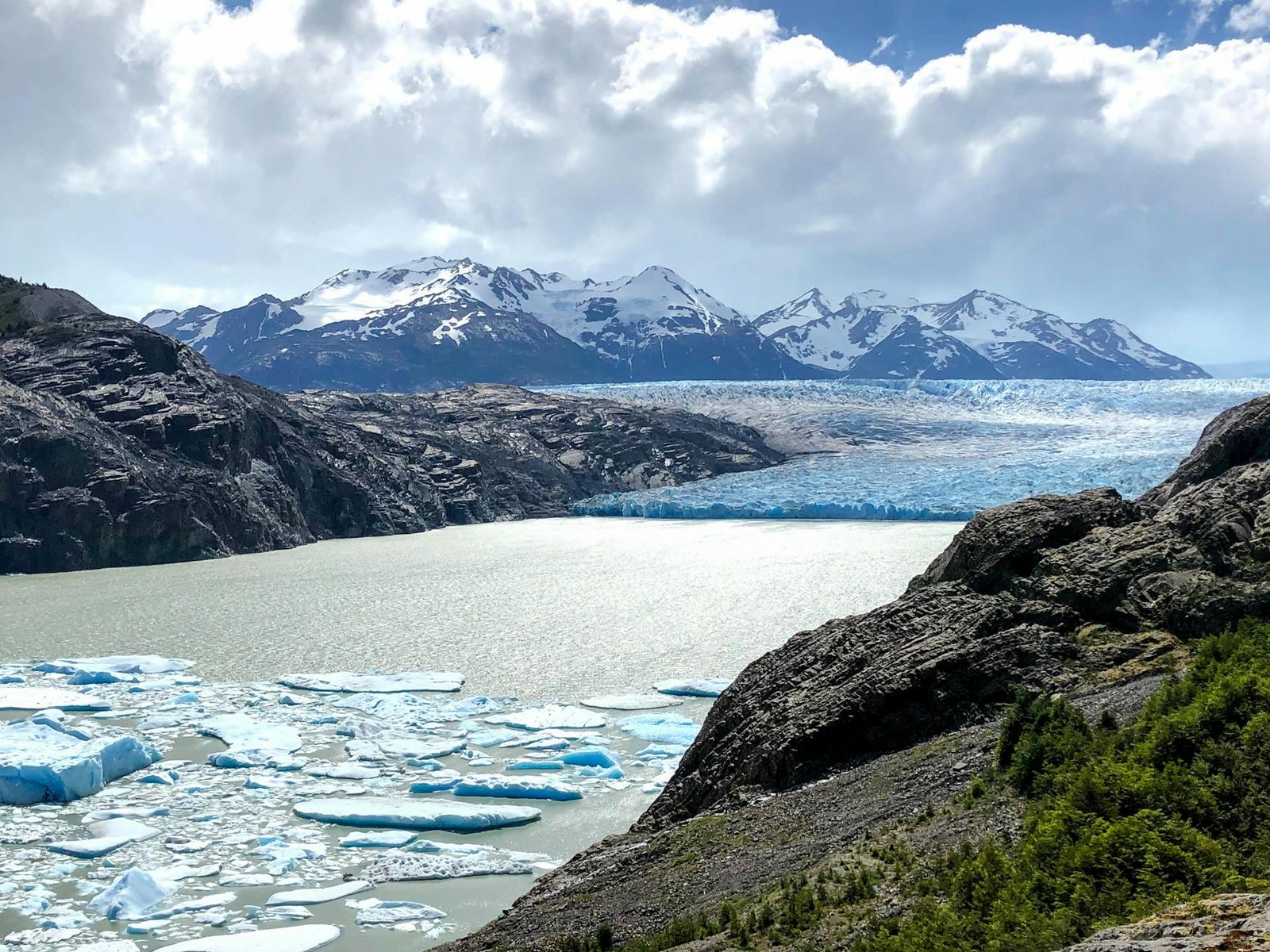
Chile’s extraordinary length and diverse geography create a remarkable array of national parks, from the arid Atacama Desert in the north to the glacial landscapes of Patagonia in the south. Torres del Paine National Park is arguably its most famous, drawing visitors with its iconic granite peaks, turquoise lakes, and windswept plains teeming with guanacos and condors. Further north, Lauca National Park offers high-altitude Andean scenery with volcanoes and the stunning Chungará Lake. The Atacama region includes parks like Pan de Azúcar, known for its rich marine life and desert flora. Chile’s commitment to conservation is evident in its expanding park system, which protects vital ecosystems and provides incredible trekking, wildlife viewing, and photographic opportunities. The dramatic contrasts within its borders make Chile a compelling destination for experiencing raw, untamed nature across vastly different environments.
- Torres del Paine offers iconic Patagonian granite towers.
- Lauca features high-altitude Andean lakes and volcanoes.
- Atacama parks showcase unique desert ecosystems.
- Diverse wildlife includes guanacos, condors, and marine life.
- Exceptional trekking and mountaineering opportunities.
- Dramatic geographical contrasts define its parks.
6. South Africa
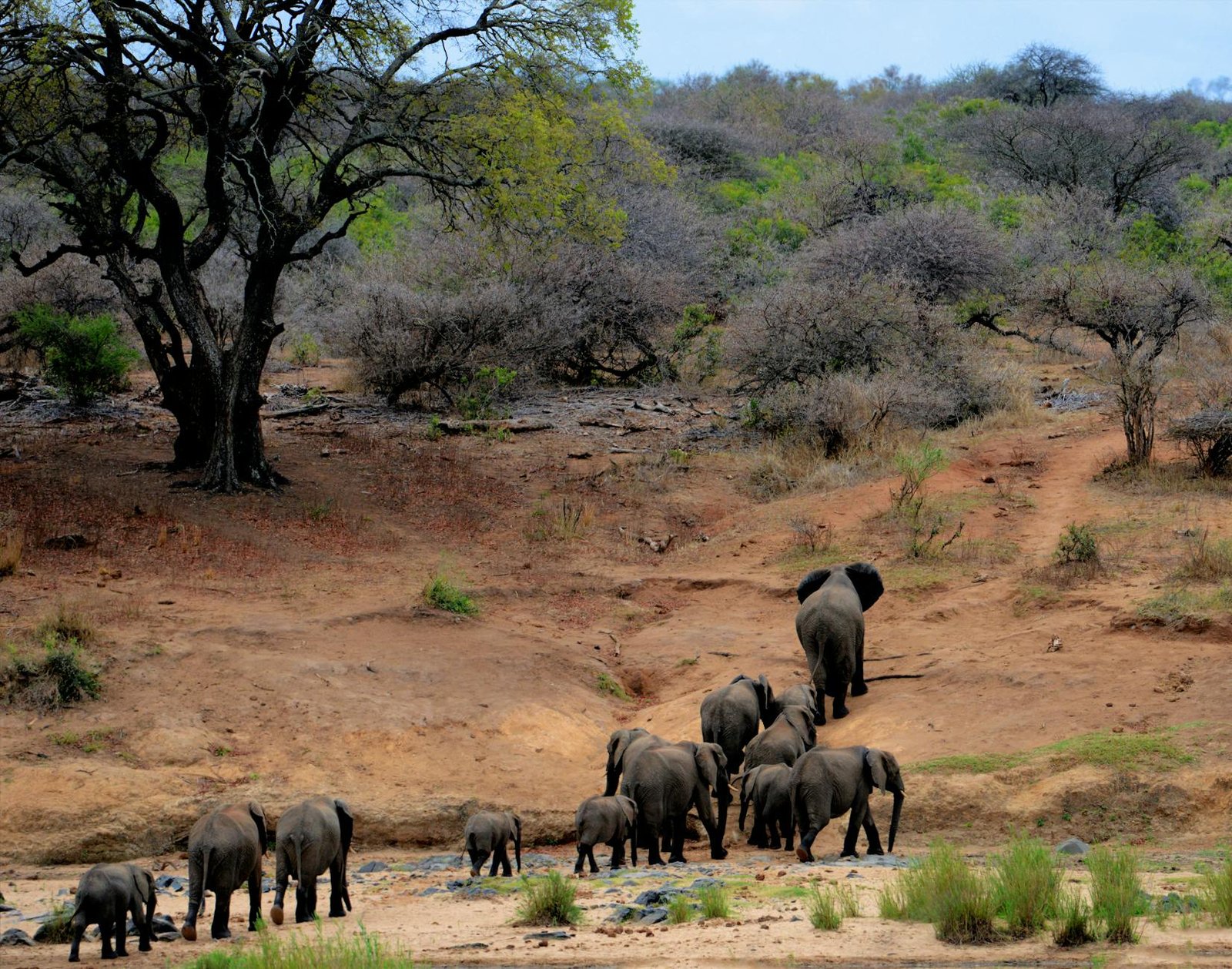
South Africa offers a world-class safari experience within its national parks, renowned for their exceptional wildlife density and diverse landscapes. Kruger National Park is the crown jewel, a vast reserve teeming with the ‘Big Five’ (lion, leopard, elephant, rhino, buffalo) and hundreds of other mammal and bird species. Its well-developed infrastructure includes numerous rest camps and a network of roads, making wildlife viewing accessible and rewarding. Beyond Kruger, Addo Elephant National Park protects a unique blend of coastal, forest, and savanna habitats, home to a growing elephant population and the marine Big Five. The Drakensberg Mountains offer stunning hiking and dramatic escarpments within parks like Royal Natal. Table Mountain National Park in Cape Town provides a unique urban wilderness experience with diverse fynbos vegetation and breathtaking views. South Africa’s parks are vital for conservation efforts, protecting a rich tapestry of life and offering unforgettable encounters with nature.
- Kruger National Park offers premier ‘Big Five’ safari.
- Exceptional wildlife density and diversity are found.
- Addo Elephant Park protects coastal and savanna habitats.
- Drakensberg Mountains provide dramatic hiking scenery.
- Table Mountain offers unique urban wilderness.
- Well-managed parks ensure excellent viewing.
7. Norway
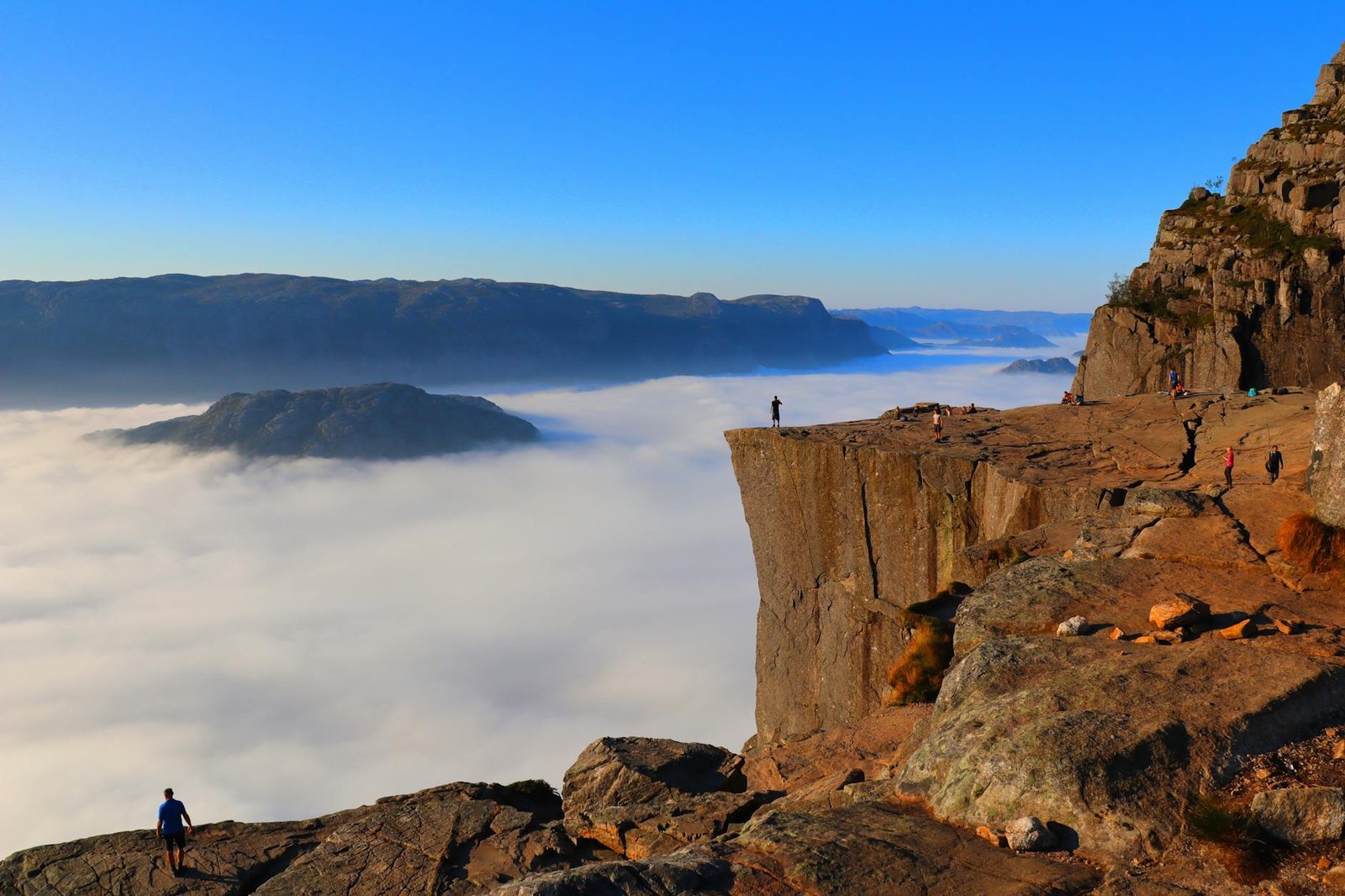
Norway’s dramatic coastline, deep fjords, and rugged mountains are spectacularly showcased in its numerous national parks, offering a pristine wilderness experience. Jotunheimen National Park, home to the country’s highest peaks, is a paradise for hikers and climbers, with glaciers and alpine lakes. Rondane National Park, one of Norway’s oldest, features a more rounded mountain landscape and is known for its wild reindeer population. Hardangervidda National Park, Europe’s largest mountain plateau, offers vast, open landscapes ideal for cross-country skiing and hiking, with numerous waterfalls cascading from its edges. The coastal national parks, such as Ytre Hvaler and Raet, protect unique marine ecosystems and archipelagos, offering opportunities for kayaking and diving. Norway’s parks emphasize sustainable tourism and provide access to breathtaking natural beauty, from the dramatic fjords to the remote Arctic landscapes.
- Jotunheimen offers Norway’s highest peaks and glaciers.
- Hardangervidda is Europe’s largest mountain plateau.
- Rondane protects wild reindeer and rounded mountains.
- Coastal parks safeguard unique marine environments.
- Fjords and dramatic mountain scenery abound.
- Excellent for hiking, skiing, and nature observation.
8. Costa Rica
Costa Rica is a global leader in ecotourism, with a remarkable percentage of its land dedicated to national parks and protected areas, safeguarding its incredible biodiversity. Corcovado National Park on the Osa Peninsula is renowned as one of the most biologically intense places on Earth, protecting primary rainforests, diverse wildlife like tapirs and scarlet macaws, and pristine beaches. Manuel Antonio National Park, though smaller, offers a stunning combination of lush rainforest, white-sand beaches, and abundant wildlife easily spotted along its trails, including monkeys and sloths. Arenal Volcano National Park provides dramatic views of the iconic volcano and surrounding rainforest, with hot springs and hiking opportunities. Monteverde Cloud Forest Biological Preserve, while not strictly a national park, functions similarly and offers a unique experience in the misty, high-altitude cloud forest, home to the resplendent quetzal. Costa Rica’s commitment to conservation makes its parks essential destinations for experiencing vibrant ecosystems.
- Corcovado is exceptionally biodiverse rainforest.
- Manuel Antonio combines beaches with abundant wildlife.
- Arenal Volcano offers volcanic landscapes and hot springs.
- Monteverde Cloud Forest is rich in unique species.
- Abundant opportunities to see monkeys and sloths.
- A world leader in ecotourism and conservation.
9. Tanzania
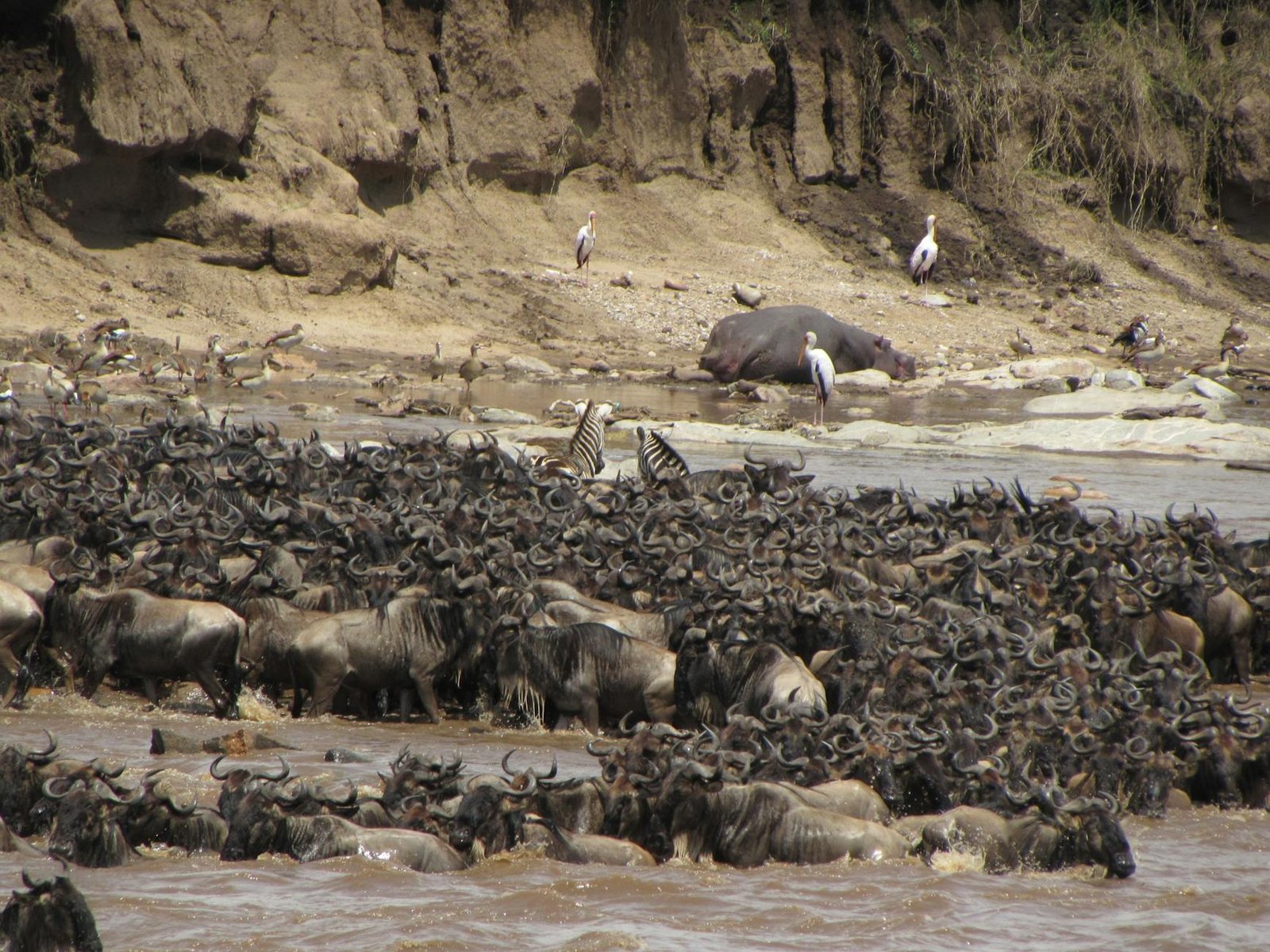
Tanzania is home to some of Africa’s most iconic and wildlife-rich national parks, offering unparalleled safari experiences. The Serengeti National Park is world-famous for the Great Migration, where millions of wildebeest, zebras, and gazelles traverse the plains, attracting predators like lions and cheetahs. Ngorongoro Conservation Area, a UNESCO World Heritage site, features the stunning Ngorongoro Crater, a caldera teeming with wildlife, including the endangered black rhino. Kilimanjaro National Park protects Africa’s highest peak, offering a challenging but rewarding climb through diverse ecological zones. Tarangire National Park is known for its large elephant herds and baobab trees, while Lake Manyara National Park provides opportunities to see tree-climbing lions and diverse birdlife. Tanzania’s parks are crucial for conserving these magnificent ecosystems and provide some of the most thrilling wildlife encounters on the continent.
- Serengeti hosts the spectacular Great Migration.
- Ngorongoro Crater teems with dense wildlife populations.
- Mount Kilimanjaro offers a challenging high-altitude trek.
- Tarangire is famous for its large elephant herds.
- Lake Manyara features tree-climbing lions.
- Unrivaled opportunities for classic African safaris.
10. Japan
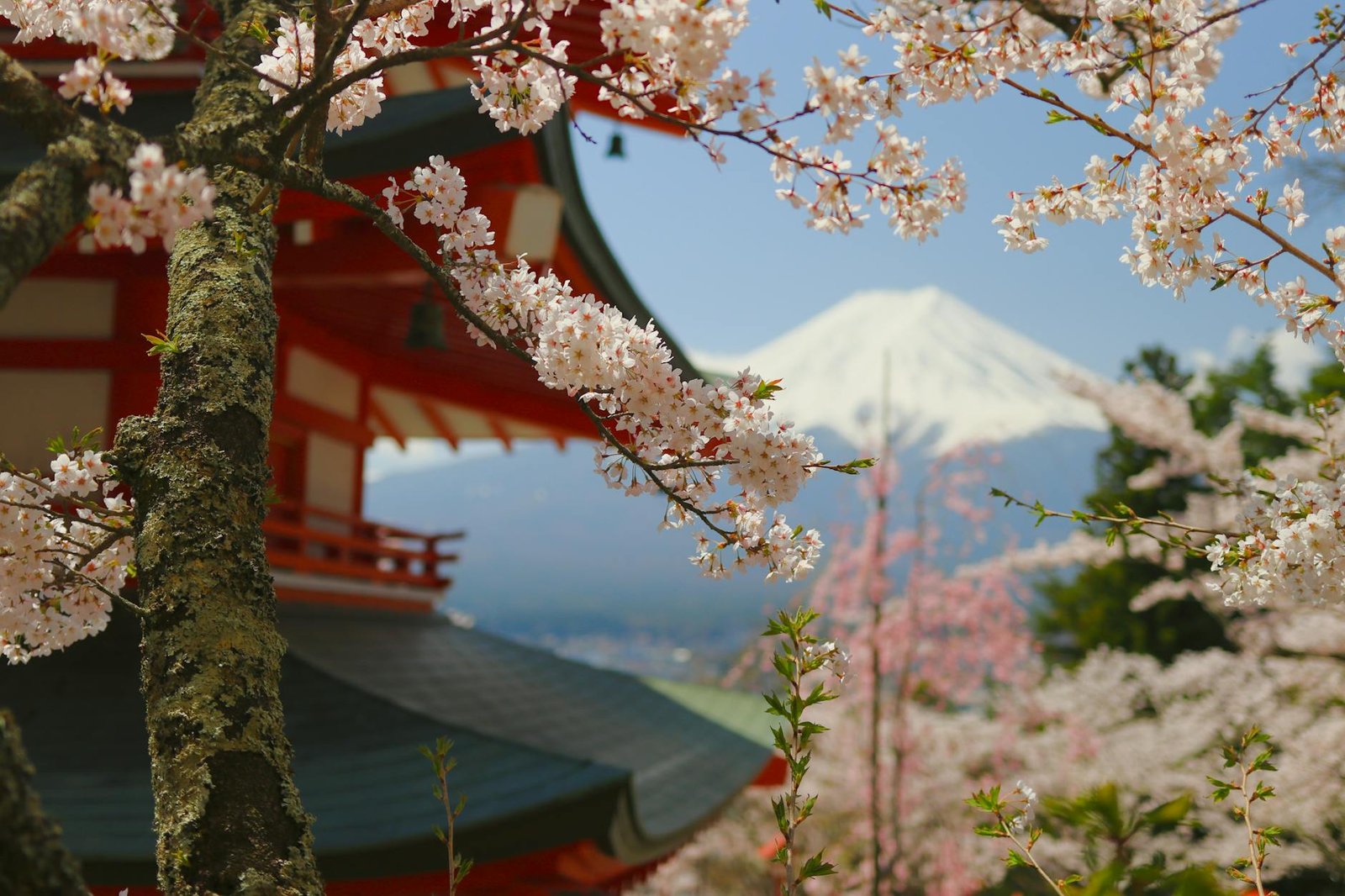
While often associated with bustling cities and ancient temples, Japan possesses a surprisingly rich and diverse collection of national parks that protect its stunning natural beauty. From the volcanic landscapes and alpine scenery of the Japanese Alps to the subtropical islands and coral reefs of Okinawa, the variety is impressive. Fuji-Hakone-Izu National Park is centered around the iconic Mount Fuji, offering breathtaking views, hot springs, and crater lakes. Daisetsuzan National Park in Hokkaido protects a vast wilderness area of volcanic mountains, alpine meadows, and abundant wildlife like brown bears and sika deer. Yakushima Island, a UNESCO World Heritage site within Yakushima National Park, is famous for its ancient cedar forests, moss-covered trails, and unique ecosystem. These parks provide tranquil escapes and opportunities to experience Japan’s natural splendor, from rugged coastlines to serene mountain vistas, showcasing a different facet of this fascinating country.
- Mount Fuji is the centerpiece of Fuji-Hakone-Izu NP.
- Hokkaido’s Daisetsuzan offers vast volcanic wilderness.
- Yakushima’s ancient cedar forests are magical.
- Okinawa’s parks protect vibrant marine ecosystems.
- Diverse landscapes from alpine to subtropical.
- Serene natural beauty offers peaceful retreats.